
Costa Humboldt Expedition Reveals Significant Sevengill Shark Discovery in Quintupeu Fjord
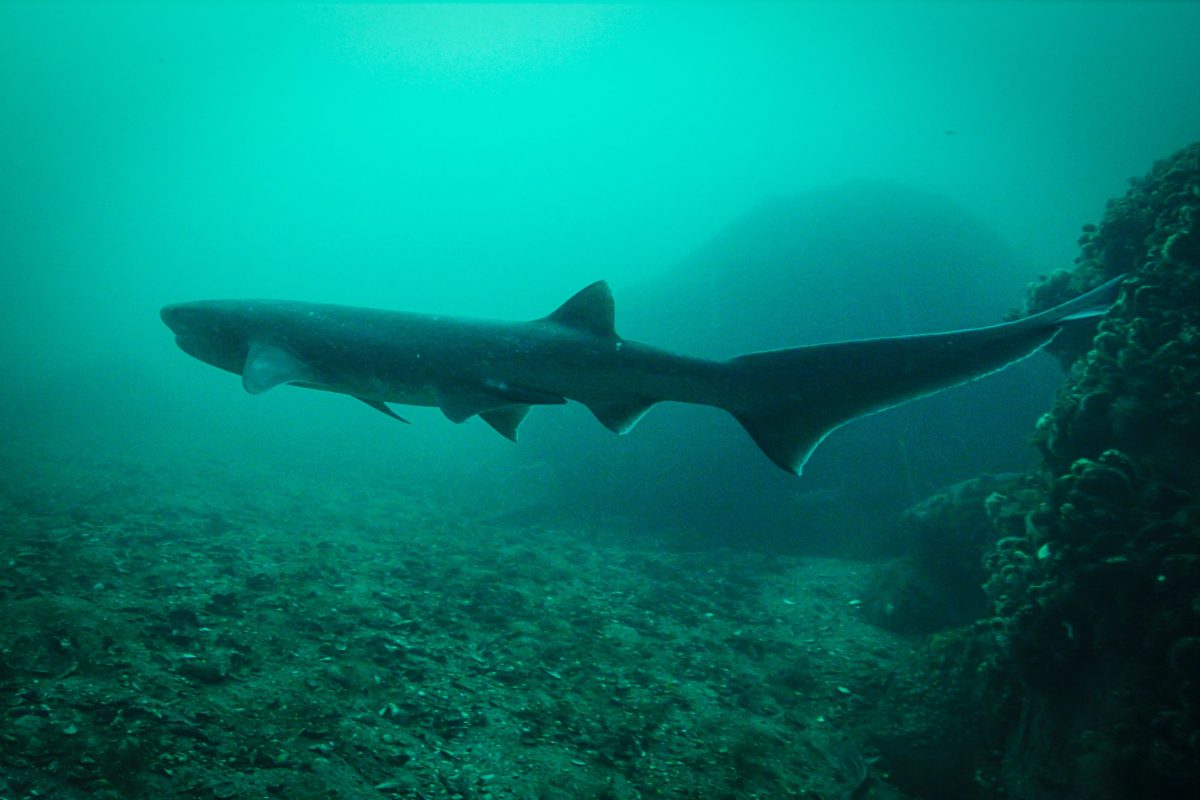
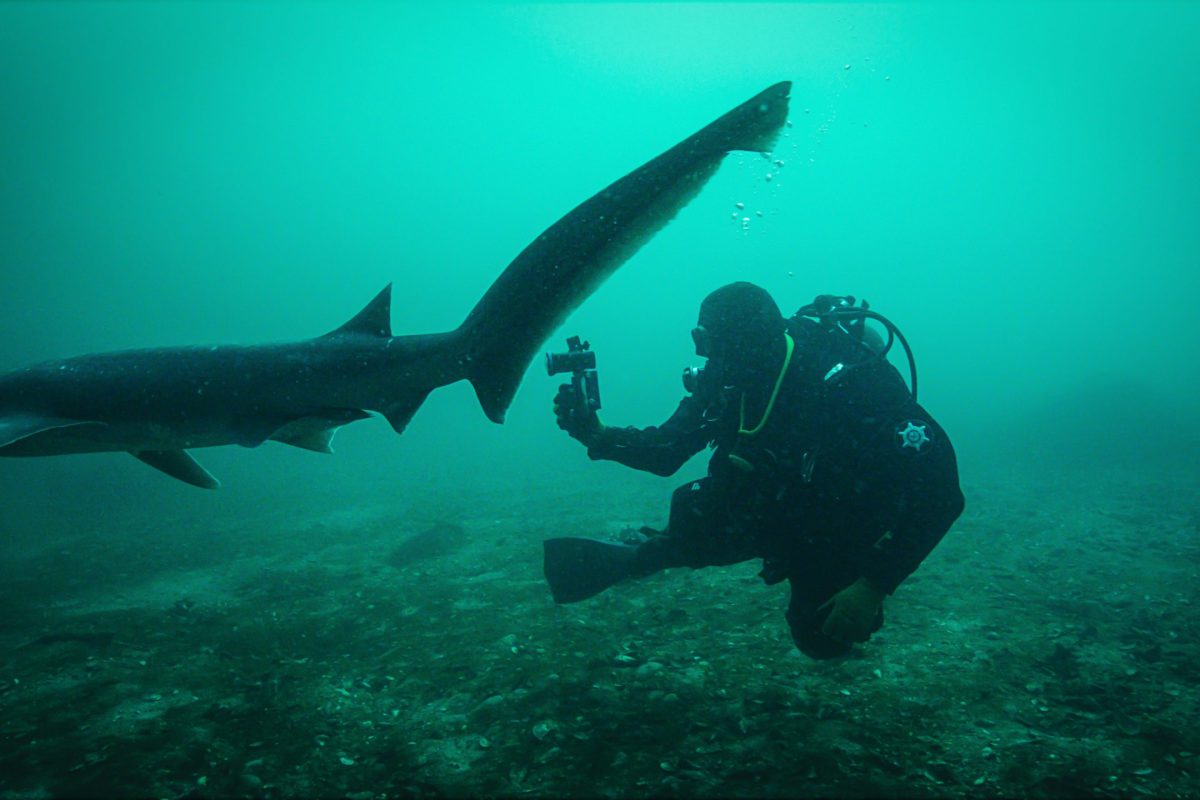
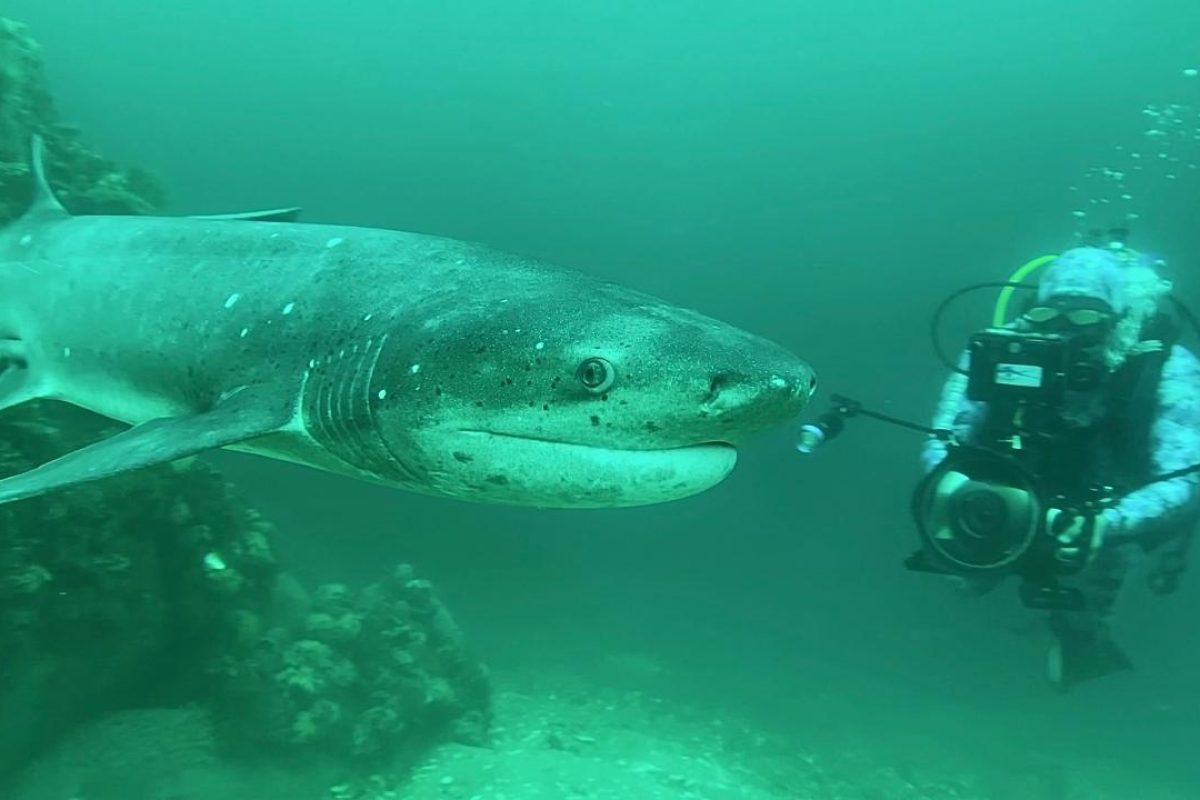
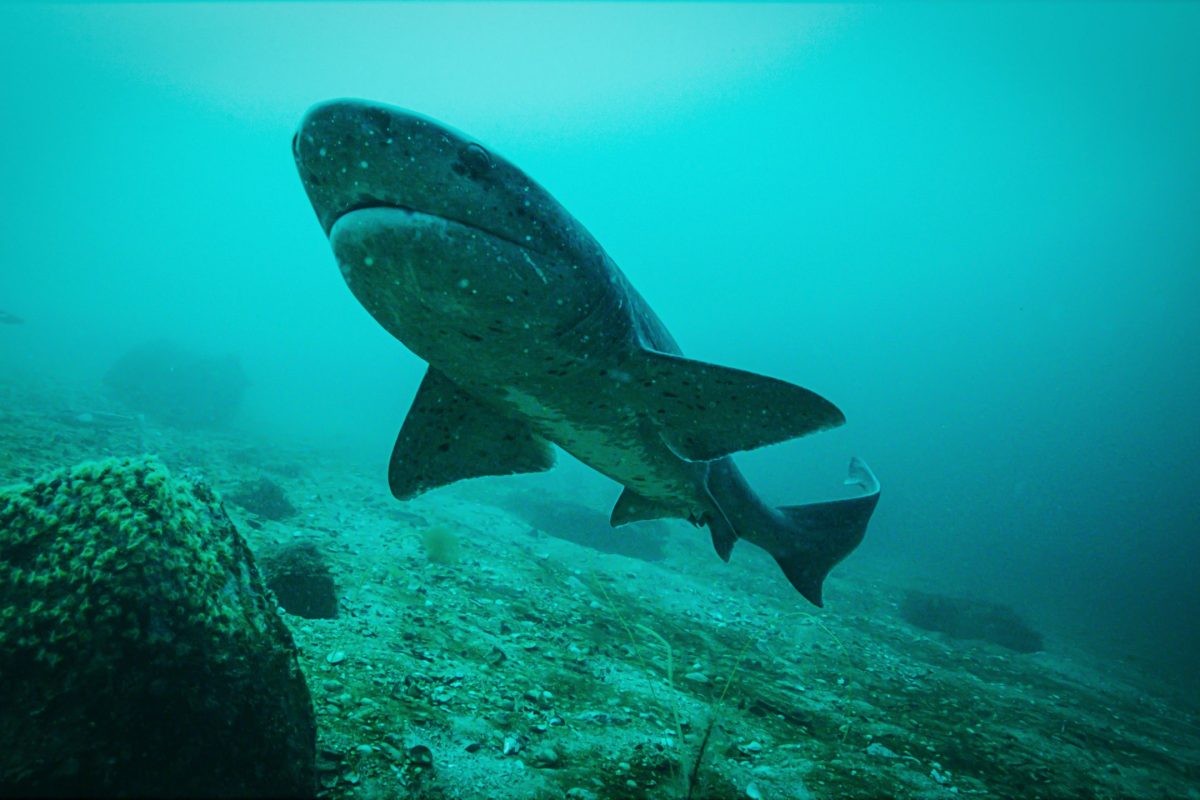
The first sighting took place on the morning of Thursday, November 5. Two divers from the expedition encountered one of the sharks. Its appearance prompted researchers to search for it using different methods. Further sightings followed, including rays, which are part of the shark’s diet. The team recorded more than 10 encounters at depths ranging from 5 to 85 meters, using scuba diving equipment, an ROV and BRUVS.
“This is an extremely encouraging discovery for the fjord and the planet,” says Luciano Hiriart-Bertrand, co-founder of Costa Humboldt, describing these first encounters with the sharks. Costa Humboldt is beginning a series of expeditions through the fjords and channels of Chilean Patagonia to identify species and assess the state of marine biodiversity in this unique territory of high biological value. The region still has significant gaps in information and monitoring regarding the full extent of its ecosystems and their conservation status.
“We wanted to collect information in Quintupeu Fjord because of its ecological importance. It is a Vulnerable Marine Ecosystem, with fragile geological structures, cold-water coral formations and benthic communities that recover slowly. Its semi-enclosed nature and gradients in salinity, temperature and oxygen offer valuable conditions for studying biodiversity and its relationship with the environment. That is why these shark records are especially relevant. The presence of these large predators in a vulnerable ecosystem underscores the importance of continuing to study the fjord and understanding the role it plays for these threatened species.”
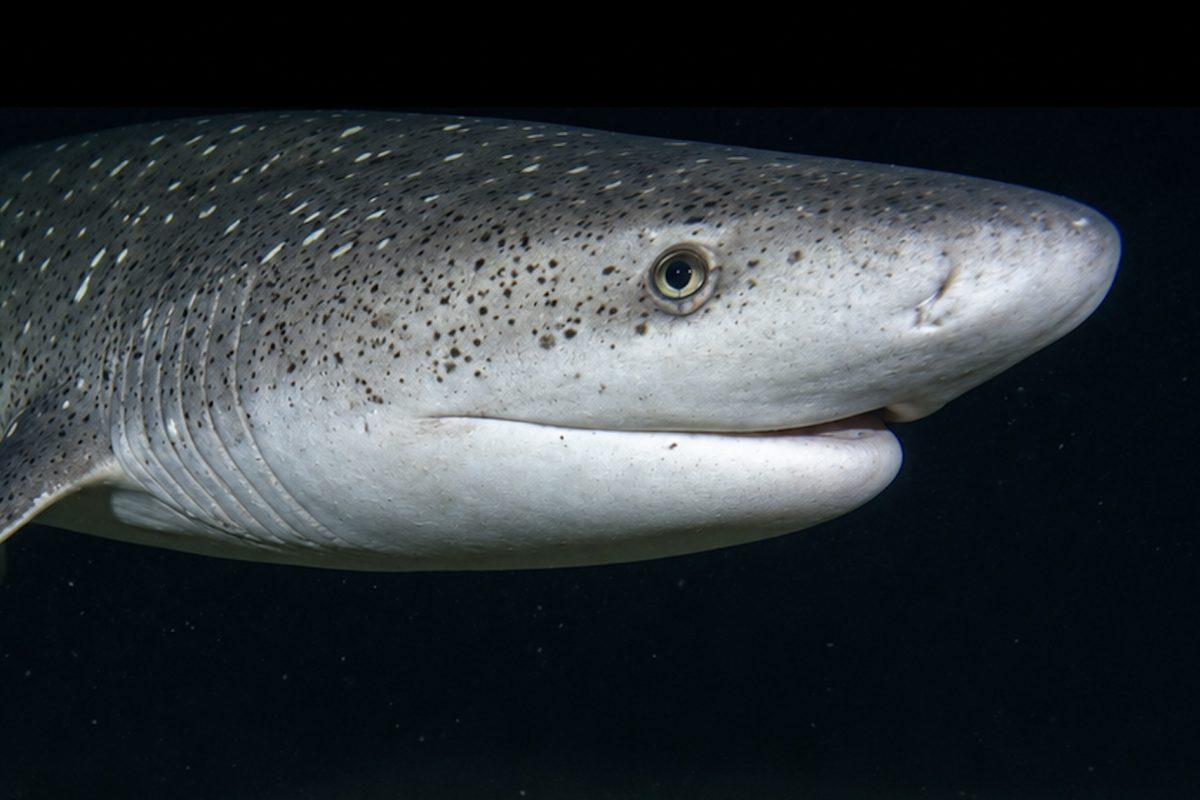
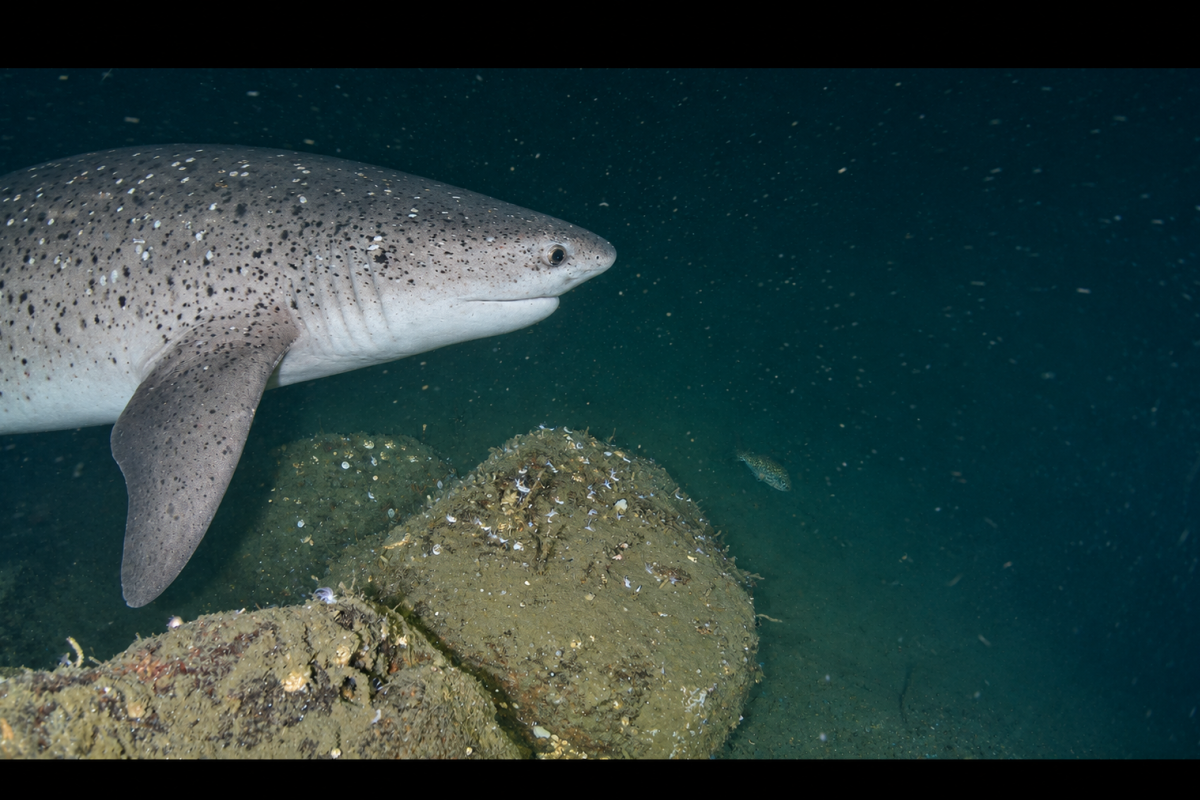
The sevengill shark, also known as the broadnose sevengill shark (Notorynchus cepedianus), belongs to the family Hexanchidae and is a large coastal predator that can reach nearly three meters in length. It is identified by its seven pairs of gill slits and single dorsal fin. It inhabits bays, estuaries and channels, where it feeds on bony fish, rays, other sharks and marine mammals. It is ovoviviparous: the pups develop inside the uterus and are nourished by the yolk. Gestation lasts about a year, and its maximum lifespan is estimated at around 32 years, though it may live longer.
Why is it important to find them?
Large predators play a fundamental role in ecosystems: they help regulate the populations of other species and occupy the upper levels of the food web. No two fjords are alike; each has a complex and unique ecological structure. The sharks’ presence in Quintupeu may therefore provide valuable information about the structure and functioning of this area, including its potential role as a climate and genetic refuge and in maintaining the balance of a critical, irreplaceable ecosystem.
This does not mean that the fjord can be considered a fully healthy ecosystem. Establishing its overall condition requires integrating multiple indicators and data series, which Costa Humboldt is already collecting. However, the sharks’ presence does indicate that this environment retains specific environmental, energetic and structural conditions capable of supporting large predators—an essential component of a complex ecological network.
“The appearance of individuals at different times shows the biological value of this area. Their repeated use of the area points to the fjord functioning as a feeding ground, refuge and reproductive aggregation site for this species. In the context of climate change, when ecosystems are showing high vulnerability to environmental and human pressures, it is striking to see that we are looking at a true treasure of life. This confirms the need to continue researching the area in order to propose effective conservation strategies,” explains Hiriart-Bertrand.
A window into an ecosystem that remains little known
The records from Quintupeu Fjord are part of a broader study of the Quintupeu–Liliguapi biological corridor. During the expedition, the Costa Humboldt team collected information on phytoplankton and zooplankton; measured the water column’s physicochemical parameters, including temperature, salinity, dissolved oxygen, conductivity and pH; collected samples for environmental DNA analysis; and monitored birds and marine mammals. The team also applied methods to estimate organism abundance and connect genetic data with reference genomes.
The choice of this corridor reflects both its ecological importance and its territorial context. The Mañihueico-Huinay ECMPO, a marine coastal area designated for Indigenous peoples, is located there and is administered by the Hualaihué Association of Indigenous Communities, with which Costa Humboldt maintains a close relationship. The expedition therefore recognizes that generating knowledge in this territory also requires dialogue with the communities about how data are protected, interpreted, used and shared. Including this dimension of data sovereignty connects scientific research with local approaches to marine stewardship and administration, and helps orient knowledge toward conservation.
Within this integrated approach, the sevengill shark records take on particular importance. As large predators, these animals can provide information about food webs and the changes taking place in the ecosystem. Their presence in Quintupeu raises questions about the role the fjord plays in their life cycle and how they use its waters. Together with biodiversity and environmental data, these records will help us better understand a territory that still has significant information gaps.
More than images of sharks underwater, these encounters raise a scientific and territorial question: what processes sustain life in the depths of these fjords, and how can we study and protect them in collaboration with the people who inhabit and steward these areas? Answering this requires continued monitoring, comparing observations over time and strengthening research that recognizes both Quintupeu’s ecological value and the communities’ connection to this territory.
That is precisely what Costa Humboldt’s expedition seeks to do: deepen our understanding of these ecosystems and generate the evidence needed for their conservation.
